Infrastructure
When a Submarine Internet Cable Needs Repair
A cable cut is only the beginning of a repair. Ships, landing stations and the routes around a fault determine what people on shore notice.
An international video call gets fuzzy, a payment application pauses and a familiar website opens in seconds from one city but not another. Those symptoms can have ordinary causes close to the user. An undersea cable incident becomes a plausible explanation once several independent observations start pointing to the same route. Even then, the useful questions concern which traffic went elsewhere, how much capacity was left and who can reach the damaged cable. The short line drawn between two places on a map is an invitation to investigate. It rarely tells the full story of the cables, power systems, landing facilities and agreements that make a route work.
For islands or remote coasts, explore what local services can keep working when links abroad run slowly. A school might be able to reach a local provider's server while distributed login, software updates and external storage stall. Keeping the most time-sensitive information available through a genuinely local path can reduce competition for the limited capacity operators recover through detours. Establish which systems qualify before an incident, and tell staff which resource they can rely on.
Follow the signal from the beach to the rack
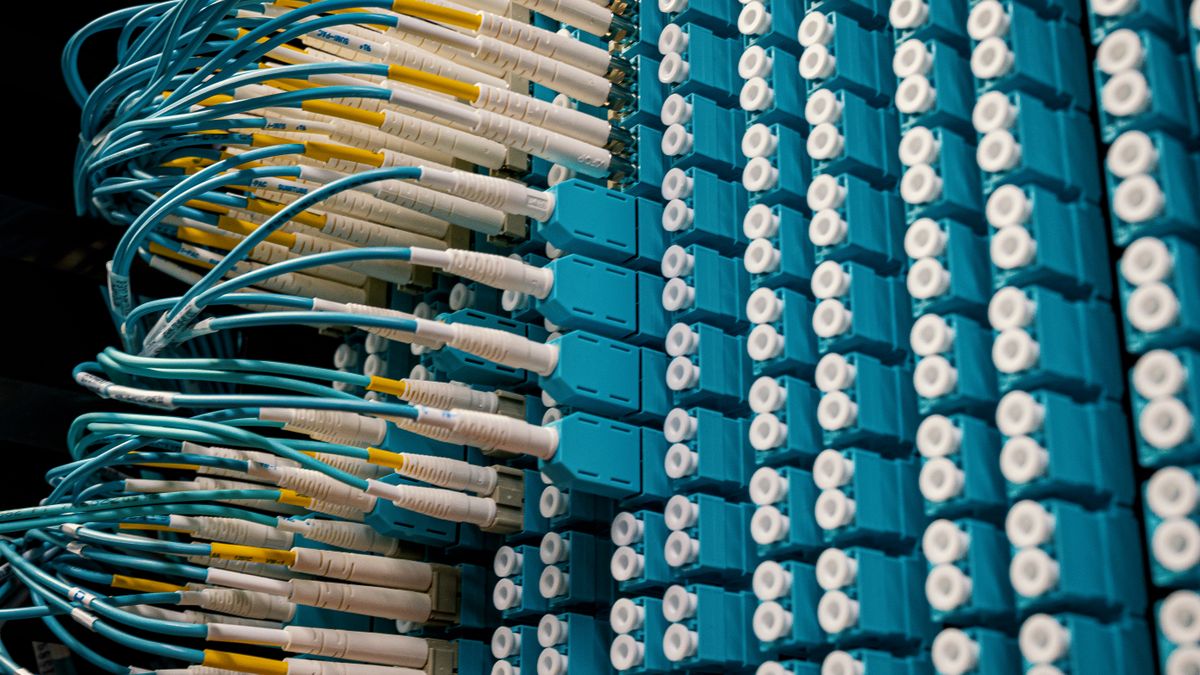
A submarine telecommunications system joins shore facilities with fiber in a purpose-built cable. At the landing facility, optical equipment launches and receives traffic and other systems connect it with terrestrial networks. Many long links need powered equipment under the sea to maintain the optical signal along the route. Electrical power for those repeaters comes through the cable system. Branches may connect multiple coastal stations through engineered branching units, so a system can contain more paths than a simple endpoint pair suggests. A cable can remain intact for most of its length while a single route segment or supporting facility is out of service.
On shore, the landing station is still one part of the journey. An internet service provider can buy or lease capacity on more than one system and join it through facilities farther inland. An application company can use a network that selects its own international paths after receiving traffic from a partner. Two customers at the same street address may experience different performance depending on which services they reach and which paths their providers use. That complexity is why a cable map should be paired with information about who is affected. A cable drawn to a coastline is infrastructure, and a network using that cable is a set of decisions made by its operators.
Distinguish a route change from a loss of reachability
When a path is interrupted, operators can redirect traffic to other paths that have capacity and established agreements. Somebody downloading a document from a nearby cache might notice nothing. A business uploading a large project to another continent could find that a detour adds delay or encounters congestion. Some customers may lose reachability where there is no practical alternate connection or where arrangements take time to activate. A detour through a different landing point can also change latency for distant applications without changing the performance of a local site. It helps to record which destinations still work, from which locations, with which network provider.
Public monitoring can narrow the picture. A sudden increase in delay to several endpoints beyond the same ocean is consistent with a route change. Network operators' public statements may identify a confirmed outage or ask users to expect reduced capacity. Traceroute is useful as an observation but can omit hops, show addresses registered far from the actual router, and observe only part of a round trip. A simple speed test to a nearby server does not measure international capacity. A failure affecting one application might also happen on that application's side. Treat test results as simultaneous samples from different places and look for conditions that all of them can explain.
Locate the fault and mobilize a vessel
A system operator may first see signal loss or other changes at its terminals. Operators use measurements and route records to estimate a location for investigation. The seabed is a working environment. Fishing activity and anchors matter in shallower waters. Natural events such as underwater landslides and currents can affect longer stretches or multiple paths. A single failure description may cover cable separations, damaged components or problems at a facility. The operator works out whether crews need to examine equipment on shore, survey a route or retrieve a section from the seabed.
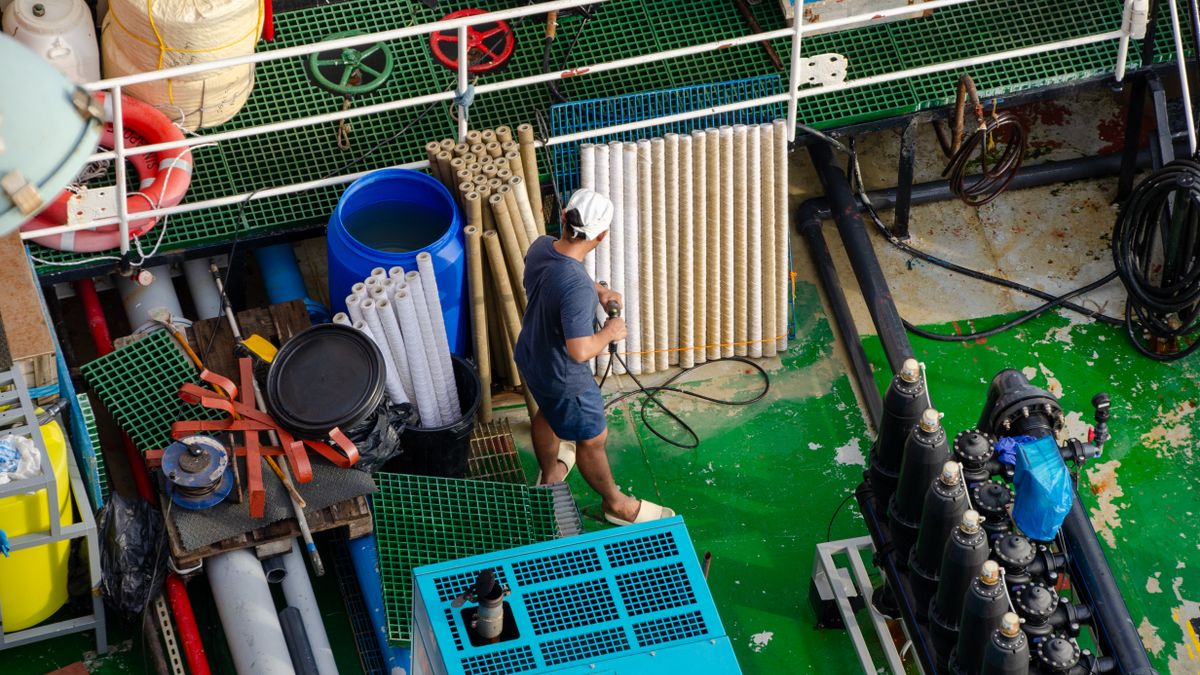
When a ship is required, a repair agreement and the availability of a suitable vessel become central. The ship has to carry the correct cable and compatible equipment along with people qualified to operate them. It may have to sail from a distant port. A worksite survey, weather window, notices to shipping and permits can determine when work begins. A screen notification saying a repair is in progress may describe a ship loading supplies or waiting offshore for permission. Ask which stage the operator has confirmed before treating an expected arrival as a service restoration date. Estimates can move because the crew learns more after seeing the actual condition of the route.
Separate recovery of the cable from recovery of experience
Procedures vary by location and system, but the aim of a common repair is to recover damaged ends, remove compromised cable and join in a suitable replacement length. At some depths and seabed conditions a ship can use grapnels to recover cable. At others, a remotely operated vehicle can help inspect or handle it. For a typical fault, the crew brings a cable end aboard and secures it while working with the other end. Technicians splice fibers and rebuild the physical joint to withstand conditions at its intended depth. Tests from the ship and shore can confirm that the optical and electrical paths return to the expected behavior.
After the repair, the line needs to be laid carefully and, where appropriate, protected again. Landing facilities and network operators restore capacity and monitor the path. Some services may have moved traffic to an alternate network already, which can make the moment of restoration almost invisible to users. Elsewhere, operators may need to unwind temporary routing or check why an application is still timing out after the physical system passes tests. A public status notice can distinguish between the system repaired, traffic stabilizing and all affected customers recovered. Those are useful distinctions when a business needs a timetable for normal operation or a resident is deciding when to retry an upload.
Read cable diversity from the routes you can lose together
For a team choosing connectivity in a geography with few international routes, ask each supplier to describe alternate landing points and how it obtains capacity. Two retail brands may share a carrier, duct, landing building or onward path. A second contract gives access to a separate billing relationship. Resilience comes from the resources that can operate when the first path has failed. Look at the full stretch from the office or data center to the distant destination. A cable entering on a different coast may still rely on the same terrestrial junction near the site. Different sites using different providers can also share a DNS or authentication service that fails before either path can carry the workload.
Agree on how one connection can carry the most important work during a partial loss. Imagine the graphics team defers full-resolution asset synchronization while the ordering desk must still confirm shipments. Record the destinations and traffic volumes that need capacity and who can pause the other work. A simple exercise with a spare connection or isolated test network can show whether the alternate path has usable latency, permissions and remote access. Where physical diversity is limited, caching useful material locally and making routine information available offline may reduce dependence on any one route.
Keep public claims close to what can be observed
The ITU's work on submarine cable resilience gives readers a way to follow international coordination, repair and preparedness without relying on a single operator's marketing map. International links cross commercial boundaries and jurisdictions, so planning needs both access to vessels and the procedural ability to perform work. A useful public incident account names the confirmed facts, the geography, which parties verified the situation, what the report still cannot establish and when an update appeared. A map can support that account if its date and scope are clear. A screenshot of a queue of ships is not evidence of who caused damage. Keep the cause open until investigators or the operator have reported enough to establish it.
When you are responsible for a service that is still working, use the interruption to establish a baseline for next time. Save the names of affected endpoints, the measure from the usual path, and a rough comparison with the alternate route. Put the notes where a colleague can find them without access to the same overseas service. Outline the symptoms that should prompt investigation, the operator contact, and the minimum useful update for customers. If a future incident creates a partial outage, you will have observations that help the network operator and set expectations without making a claim about a ship you cannot see. This turns an opaque cable outage into a sequence of decisions your organization has already practiced.
A newsroom note can also preserve the human consequences without pretending the internet is a single switch. For example, interview a school that switched to offline materials and a retailer whose transactions still went through a domestic processor. Describe the time, location and workaround each used. These accounts help explain why an outage may appear small in a national graph while requiring hours of consequential work from specific communities.